












Navigating the world can be a sensory adventure, especially for children who experience sensory input differently. Many parents and caregivers seek effective tools to help their little ones find calm, improve focus, and manage big emotions. One such tool gaining recognition in occupational therapy is weighted sensory items — from plush teddies and bunnies to sloths and lap pads that sit gently across a child’s legs.
These specially designed tools offer more than just comfort; they provide deep pressure input, a powerful sensory experience that can be incredibly soothing and regulating for children with autism spectrum disorder (ASD) and attention-deficit/hyperactivity disorder (ADHD).
What are Weighted Sensory Toys and How Do They Work?
Weighted sensory toys — including stuffed animals and lap pads — are filled with materials like plastic pellets or beads to give them a comforting heft. Unlike regular soft toys, their added weight provides a gentle, consistent pressure across a child’s body when held or placed on their lap.
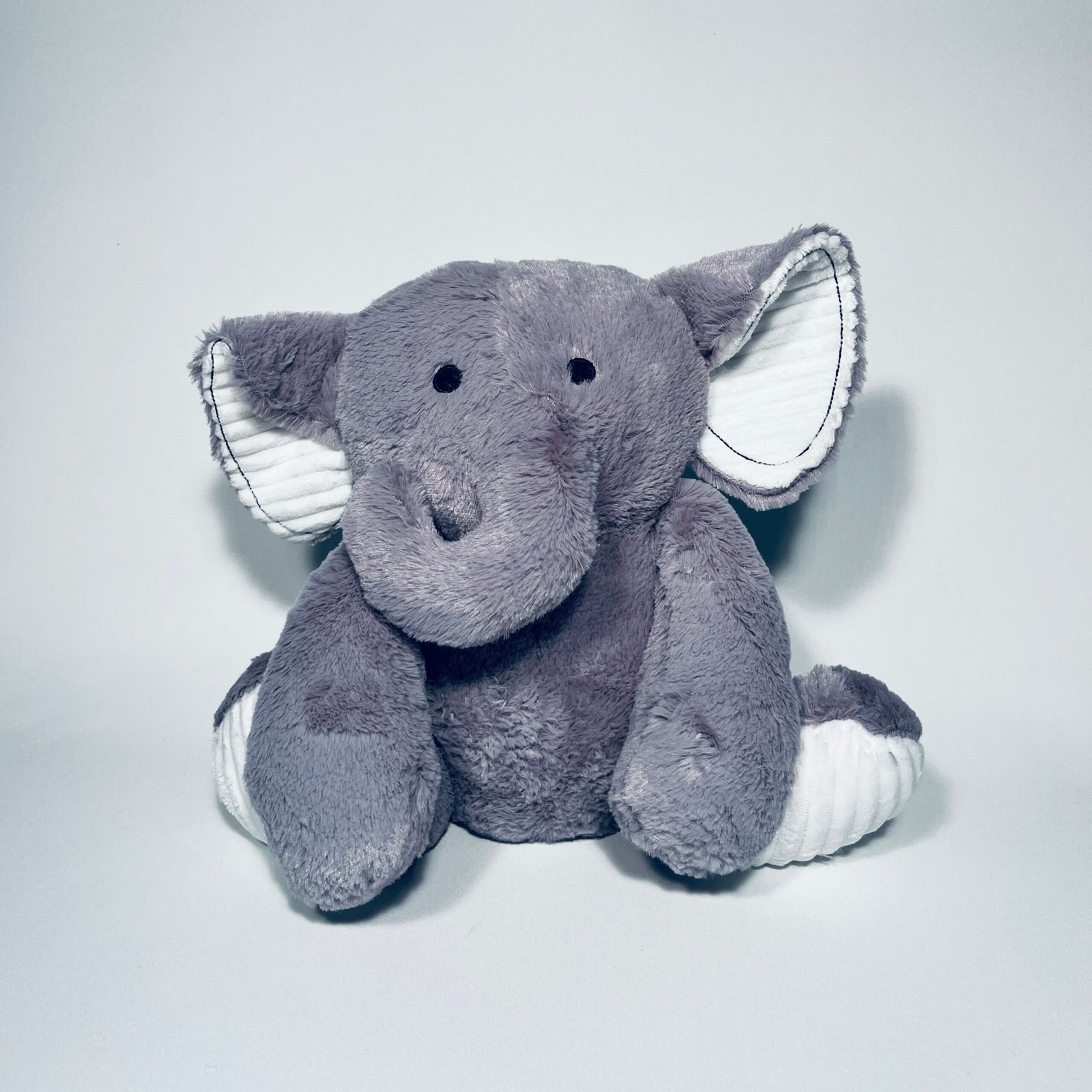
This deep pressure input is a type of proprioceptive input — information received by the brain about the body’s position, movement, and force. For many children, particularly those with sensory processing differences, deep pressure can have a profound calming and organising effect on the nervous system. It’s akin to a firm hug, offering a sense of security and containment.
The Benefits of Weighted Sensory Toys for Children with Autism and ADHD
Children with autism and ADHD often experience challenges with sensory regulation, emotional management, and focus. Weighted stuffed animals and lap pads can be invaluable tools in addressing these needs:
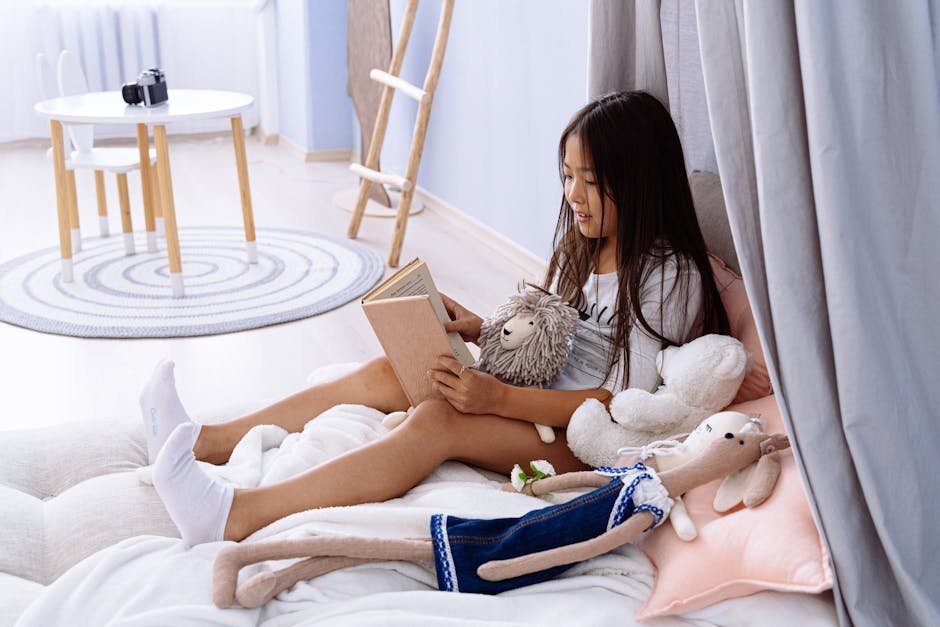
- Sensory Regulation for Autism: For children on the autism spectrum, sensory input can sometimes feel overwhelming. A weighted companion can provide a grounding sensation that helps reduce sensory overload, making transitions smoother and aiding in self-soothing during times of heightened anxiety. The consistent pressure helps the child feel more aware of their body in space. For more on sensory integration, see the Raising Children Network’s guide to sensory integration therapy.
- Improved Focus and Attention for ADHD: Children with ADHD often struggle with maintaining attention and can exhibit increased fidgeting or restlessness. The subtle, constant pressure from a weighted toy can provide a calming sensory anchor, helping to quiet the body and mind — particularly beneficial during homework or quiet reading time.
- Emotional Co-regulation: Beyond specific diagnoses, many children benefit from deep pressure for emotional comfort. A weighted plush toy can become a trusted friend during times of stress, sadness, or overstimulation, offering a predictable and reliable source of comfort.
Choosing the Right Weighted Item for Your Child
Selecting the perfect weighted companion involves a few key considerations. Each child is different, and finding the right fit will make all the difference to how much they engage with it:
- Weight: A common guideline is approximately 5–10% of your child’s body weight. Always consult with an occupational therapist for personalised advice, especially for younger children.
- Texture and Material: Pay attention to the plushness and feel of the fabric. Many children have tactile preferences, so a soft material they enjoy touching will encourage greater use.
- Type of Product: A cuddly Weighted Teddy – Sloth or Weighted Teddy – Bunny is ideal for holding and hugging, while a Weighted Lap Pad is perfect for desk work, reading, or calming during transitions — each delivers the same deep pressure input in different ways.
Integrating Weighted Items into Daily Routines
Once you’ve found the right weighted companion, incorporating it into your child’s daily life can maximise its benefits. Here are some practical ideas:
- Quiet Time & Homework: Place a weighted teddy or lap pad on your child’s lap during reading, drawing, or homework sessions to help improve focus and reduce fidgeting.
- Transitions: Use it as a calming anchor during challenging transitions, such as moving from playtime to dinner, or preparing for bedtime.
- Travel & Public Outings: A portable weighted animal can provide a familiar sense of security in new or stimulating environments like car trips, doctor’s appointments, or grocery shopping.
- Bedtime Routine: Many children find comfort from the gentle pressure as they drift off to sleep. Ensure it’s used safely and under supervision, ideally with guidance from an OT.
Remember, weighted sensory items should always be used under supervision and should not restrict your child’s movement. They’re a supportive tool, not a restraint.
Find the Perfect Weighted Companion
Weighted sensory toys offer a wonderful blend of companionship and therapeutic benefits, providing much-needed deep pressure input for children navigating sensory challenges. Explore our full range of weighted items to find the perfect calming companion for your child.