












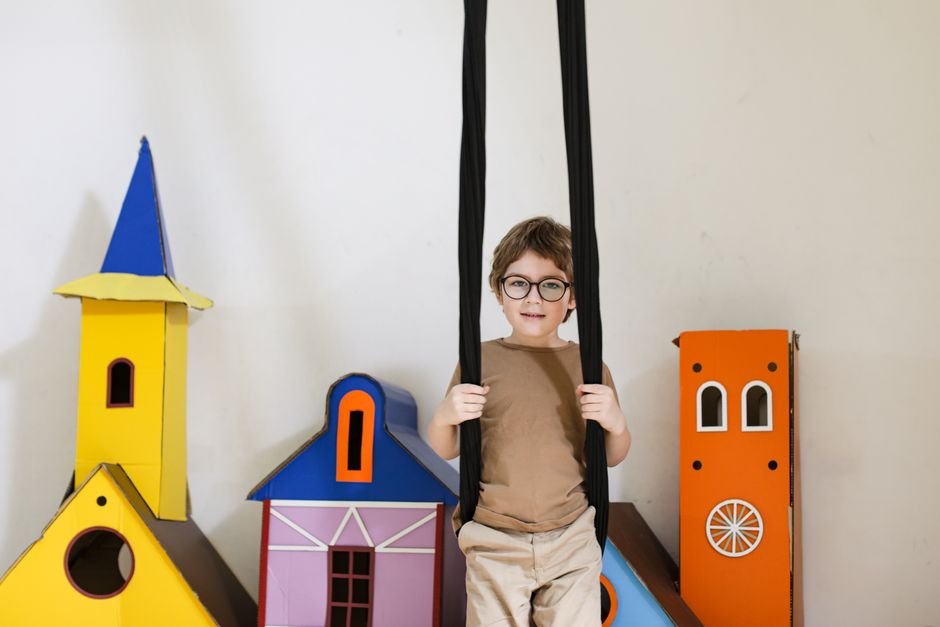

For many children, navigating the world can be an overwhelming experience, especially when their sensory systems process information differently. Creating a calming and organising space at home is crucial, and that’s where therapeutic tools like sensory swings can make a significant difference. These unique swings are more than just playground equipment; they are powerful aids designed to support a child’s sensory development, emotional regulation, and overall well-being.
At The OT Supplier, we understand the profound impact well-chosen sensory equipment can have on a family’s daily life. This guide will explore what sensory swings offer, how they assist children with diverse needs, and provide practical advice for integrating them safely and effectively into your home environment.
Understanding Sensory Swings and Their Benefits
A sensory swing is specifically designed to provide targeted sensory input, primarily focusing on the vestibular and proprioceptive systems. The vestibular system, located in our inner ear, helps us with balance, movement, and spatial awareness. The proprioceptive system, on the other hand, provides feedback from our muscles and joints about body position and movement, contributing to a sense of body awareness and security.
For children who are either seeking or avoiding certain sensory inputs, a swing can be incredibly therapeutic. It offers a safe and controlled way to experience movement, pressure, and body awareness that helps their nervous system to regulate. This regulation can lead to improved attention, reduced anxiety, better coordination, and a greater sense of calm.
Many parents and occupational therapists observe that children with sensory processing differences, autism, ADHD, or developmental delays often gravitate towards swinging. This innate desire for movement isn’t just for fun; it’s often their body’s way of seeking the input it needs to feel organised and grounded. You can learn more about sensory processing challenges from trusted resources like Child Mind Institute.
Choosing the Right Sensory Swing for Your Child
When considering a sensory swing for your child, it’s essential to think about their individual needs, your available space, and, most importantly, safety. There are several types of swings, each offering different sensory experiences.

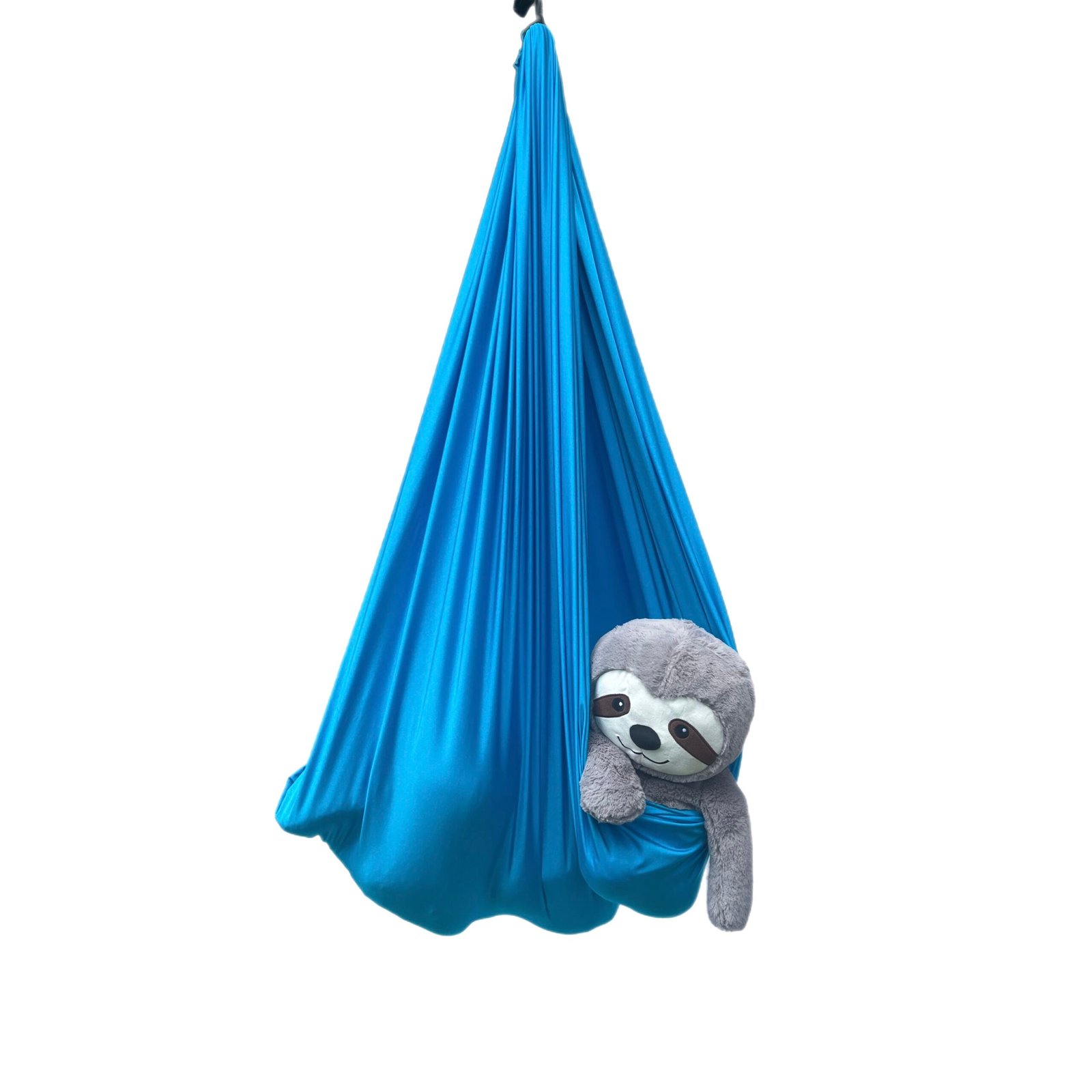
The most popular option is often a lycra swing, also known as a cocoon or compression swing. These swings envelop the child, providing deep pressure input alongside vestibular input. The stretchy fabric creates a calming, hug-like sensation, making them ideal for children who benefit from proprioceptive input and struggle with overstimulation.
Other options include disc or platform swings, which offer a different kind of vestibular input and can be great for developing balance and core strength. Regardless of the type, always check the weight capacity and ensure proper installation with professional-grade hardware. Our Sensory Swing for Kids is a fantastic, versatile option that many families adore for its calming and organising benefits.
Consider where the swing will be installed. It needs ample clear space around it to prevent bumping into walls or furniture. Indoor swings are usually installed from a sturdy ceiling beam, requiring expert installation. Outdoor swings can be hung from a secure frame or strong tree branch, but must always be checked for integrity and safety.
Remember, the goal is to create a safe and inviting space where your child feels comfortable and supported. Exploring our full range of swings can help you find the perfect fit for your family.
Integrating Sensory Swings into Daily Routines
Once you have chosen and safely installed your sensory swing, the next step is to thoughtfully integrate it into your child’s daily routine. Consistency and supervision are key to maximising the therapeutic benefits while ensuring safety. Always supervise your child while they are using the swing.
Here are some practical tips for using sensory swings effectively:
- Scheduled Breaks: Incorporate short swinging sessions into the day, especially before or after activities that might be particularly stimulating or demanding, like homework or school.
- Calming Corner: Position the swing in a dedicated calm-down corner or quiet space. This helps your child associate the swing with relaxation and self-regulation. You can enhance this space with other calming tools from our sensory category.
- Vary Movement: Encourage different types of movement – gentle rocking, spinning (if appropriate for the swing type and your child’s tolerance), or swinging back and forth. Observe your child’s reactions to understand what kind of input they are seeking.
- Therapeutic Play: Turn swinging into playful activities. You can read a book in the swing, listen to calming music, or simply allow them to unwind. For children who enjoy deep pressure, encourage them to wrap themselves snuggly inside a lycra swing.
- Listen to Your Child: Pay close attention to your child’s cues. Some children might need vigorous swinging to get organised, while others prefer slow, gentle movements. If they show signs of distress or overstimulation (dizziness, nausea, discomfort), stop the activity immediately.
- Safety Rules: Establish clear rules, such as taking turns, no jumping into or off the swing, and keeping hands and feet inside.
By providing a regular opportunity for controlled sensory input, sensory swings for children can become an invaluable tool for enhancing their ability to self-regulate, focus, and engage more effectively with their environment.
Conclusion
Sensory swings offer a wonderfully effective and enjoyable way to support children with diverse sensory needs. They provide essential vestibular and proprioceptive input, helping children to feel more grounded, calm, and organised. Whether your child seeks intense movement or gentle pressure, a sensory swing can be a powerful addition to your home, fostering a sense of security and promoting healthy development.
We hope this guide empowers you to make informed decisions about bringing the joy and therapeutic benefits of a sensory swing into your child’s life. Explore The OT Supplier’s range today to find the perfect tools to support your child’s unique journey.